

“Los Cubs” PR Heritage.
It’s crazy how this whole thing started. Before this project ever became a reality, the Chicago Cubs discovered my work through Pleibol, a 2022 exhibition where I explored Puerto Rican identity, migration, and baseball culture through art in Chicago. That body of work centered on how baseball becomes a bridge between Puerto Rico and the diaspora, and how the game carries pieces of home into new cities and communities. After seeing the exhibition, the Cubs reached out and invited me to participate in creating this heritage project, making the opportunity feel deeply personal and full circle.
On February 2019 I landed a job that moved me from Puerto Rico to Chicago. I settled on living at Marine Drive, just a 15-minute walk from Wrigley Field. Living so close to the park meant going to as many games as possible, and I quickly found myself becoming a “bleacher bum.” Growing up in Puerto Rico, baseball is more than a pastime — it’s a piece of our identity. Baseball is in our blood. Having Javier Báez on the Cubs felt like having a bit of home right there on the field.
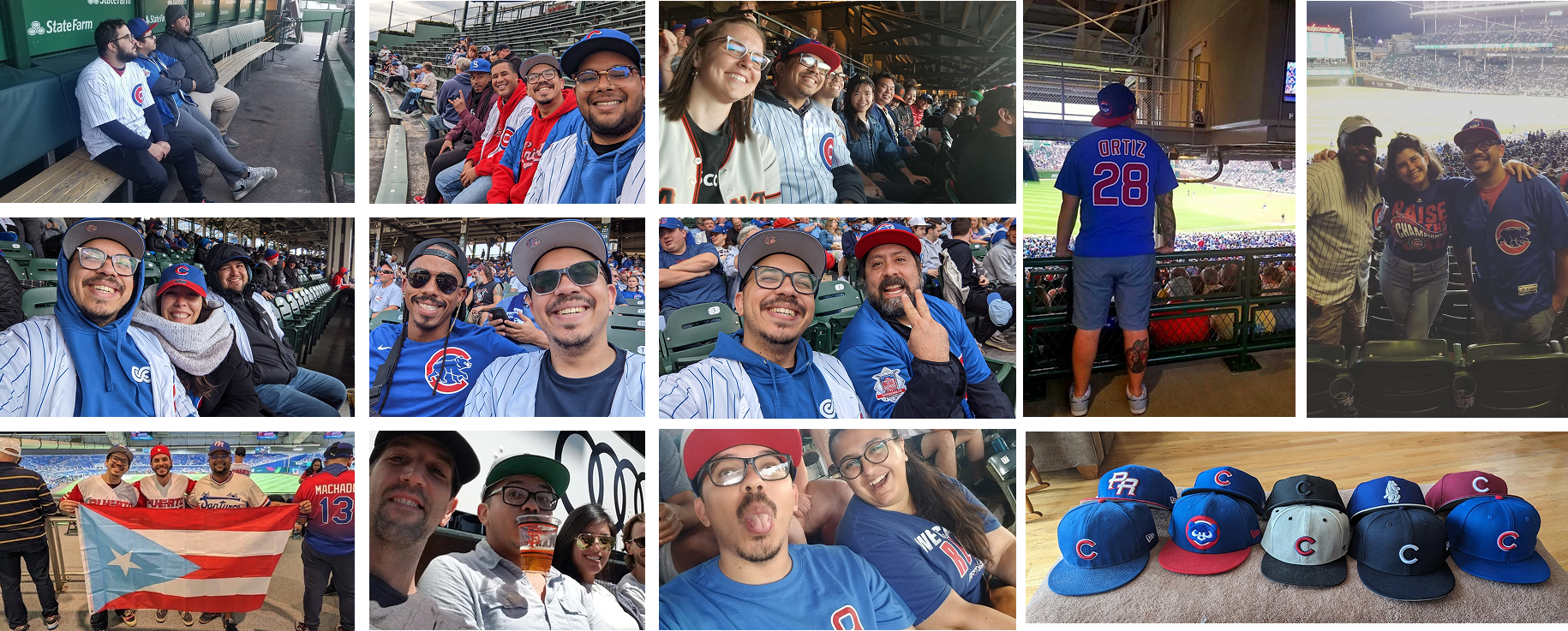
Over the years, Wrigley Field has become more than just a ballpark to me: it ’s been a place where I’ve built a community. These are some photos of friends and family who have joined me for games and shared in the joy of cheering on the Cubs together. These moments have turned into lasting memories, and the people I’ve met along the way have become like family. It’s a reminder that baseball isn’ t just about the game, it’s about the connections we make and the sense of belonging we share.
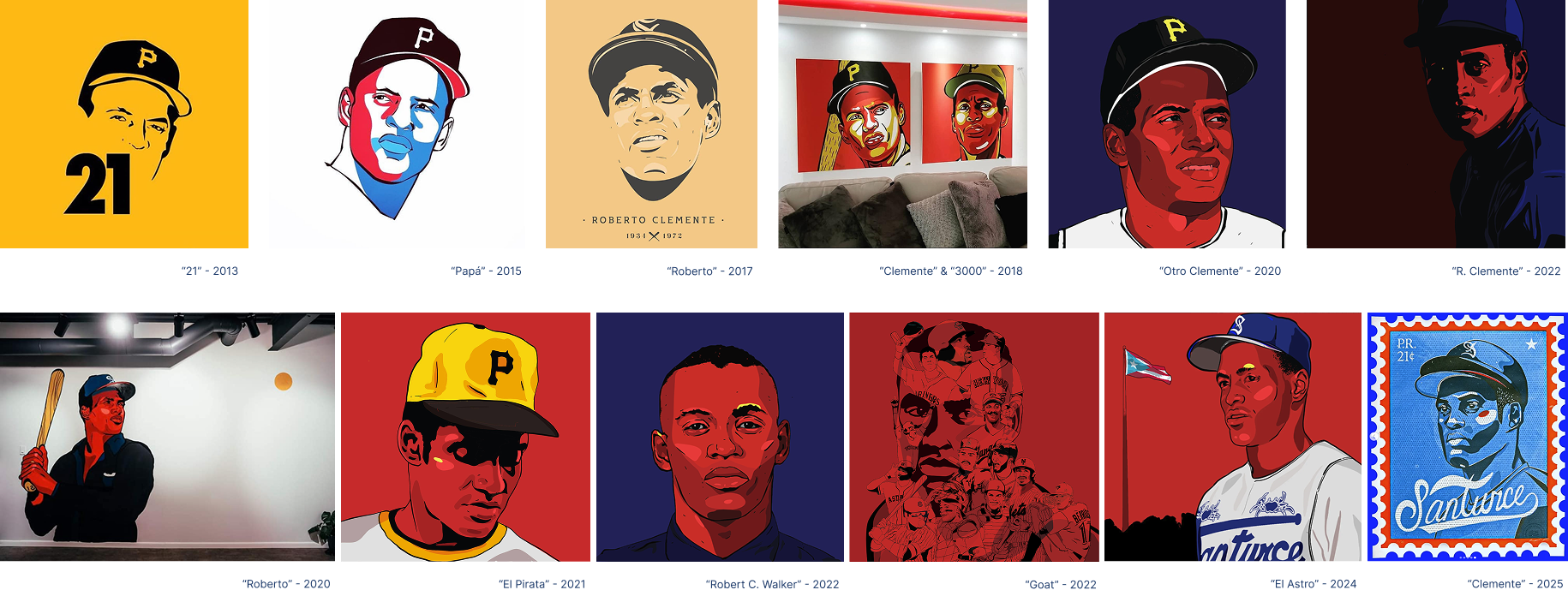
Since 2013, I’ve been creating pieces that pay tribute to Clemente, who stands as Puerto Rico’s greatest baseball icon and an inspiration to all of us. These artworks represent not just my admiration for a hero, but also my deep, long-standing connection to the sport. Through these pieces, you can see how baseball has been a constant thread in my life and creative journey.
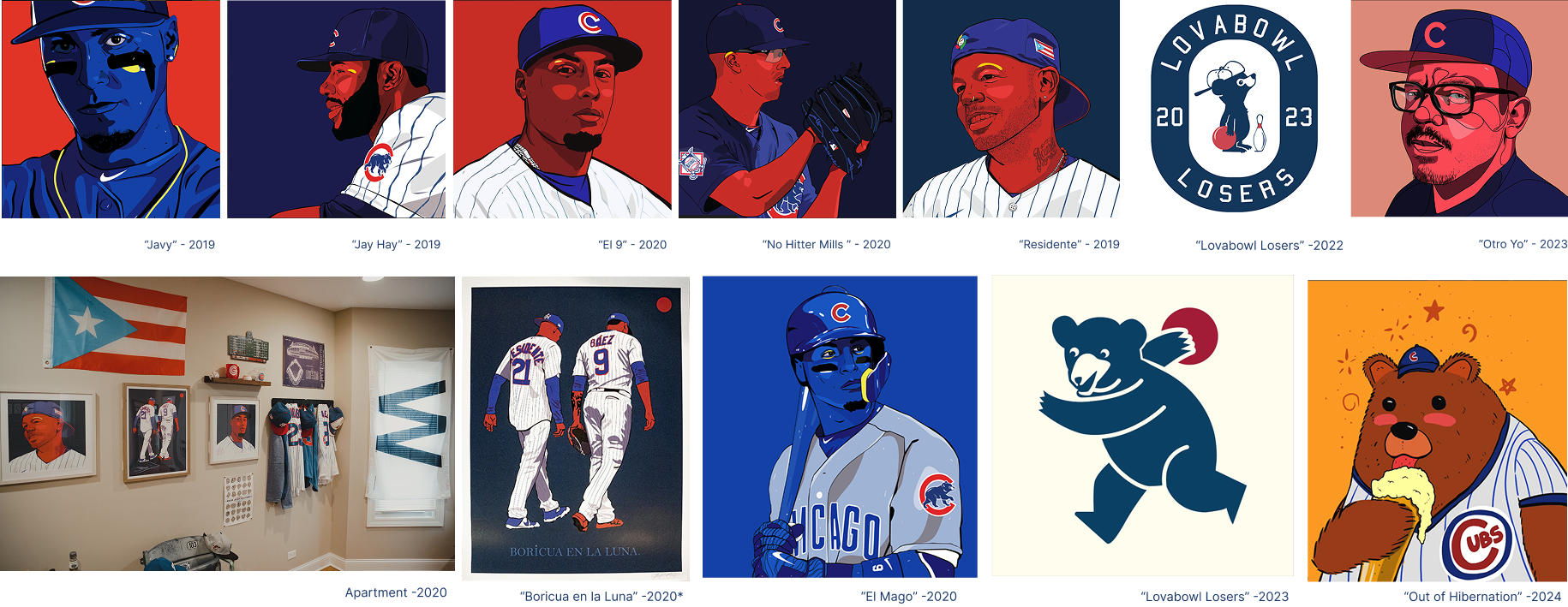
After being 7 years in Chitown, my love for the Cubs has evolved into a genuine part of my creative and personal life. Over t he years, I’ ve created ar work celebrating Cubs players like Javy Báez, Jason Heyward, and moments like Alec Mills’ no-hitter. These pieces now fill my home, which has become a sort of shrine to the team, complete with illustrations of Clark the Bear and even the “Lovable Losers” motif that I’ ve adapted for my bowling league team. It’s a testament to how deeply the Cubs have become part of my everyday world and my passion for the game.
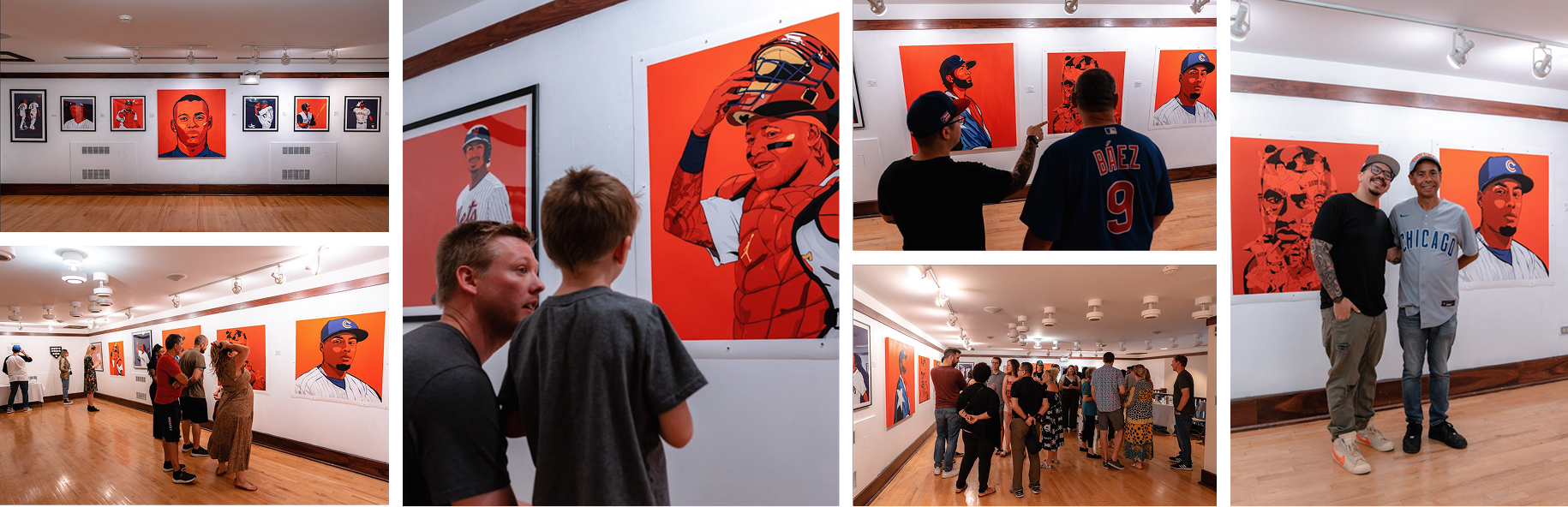
The Puerto Rican Diaspora opened it ’s doors to me so much so t hat when I decided to present my “Pleibol” work, they helped me find a location for it. This exhibit celebrated the legacy of Puerto Rican baseball players, from legends like Rober to Clemente to modern stars like Javy Báez and Yadier Molina. Through this expo, I wanted to showcase not only the impact these players have had on the game but also how deeply rooted my passion for baseball is. It’s another way of sharing how this sport has been a lifelong inspiration and a cornerstone of my creative journey.
“Pleibol” Expo at Humboldt Park Boat house Gallery, 2022. .
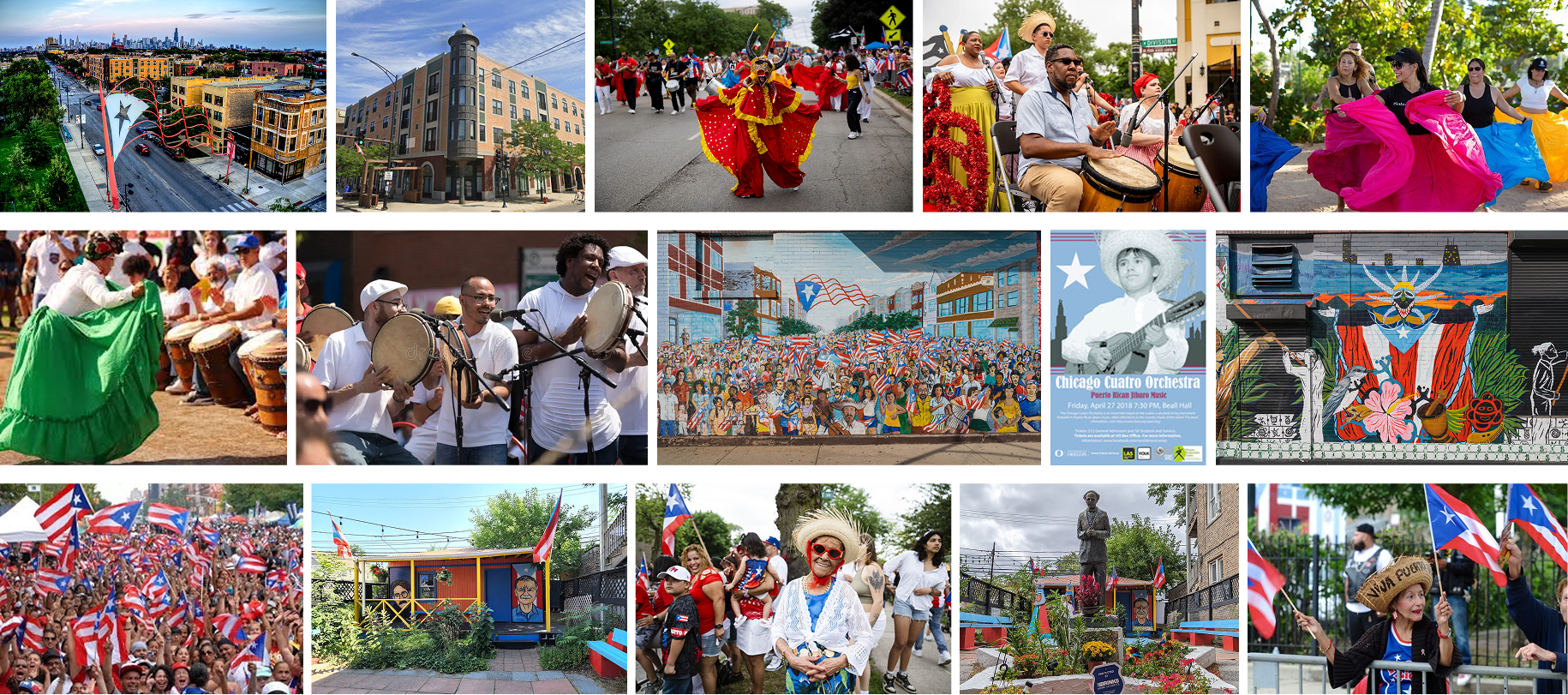
As a transplant to Chicago, I naturally gravitated toward Humboldt Park to reconnect with the Puerto Rican diaspora. I quickly realized t hat, despite small regional differences, the foundation was the same: Puerto Ricans seeking community, belonging, and cultural continuity. Through deeper research into Chicago’s Puerto Rican roots, I found familiar parallels that made the city feel like home: the music, the art, the food, the Spanglish, and, most importantly, the warmth of the people.
I understood that the vibrant Puerto Rican heritage is woven into the fabric of Chicago’s Humboldt Park. Each image captures elements of t he neighborhood’s cultural identity, from murals to community gatherings, all celebrating the spirit of Puerto Rico right here in Chicago.
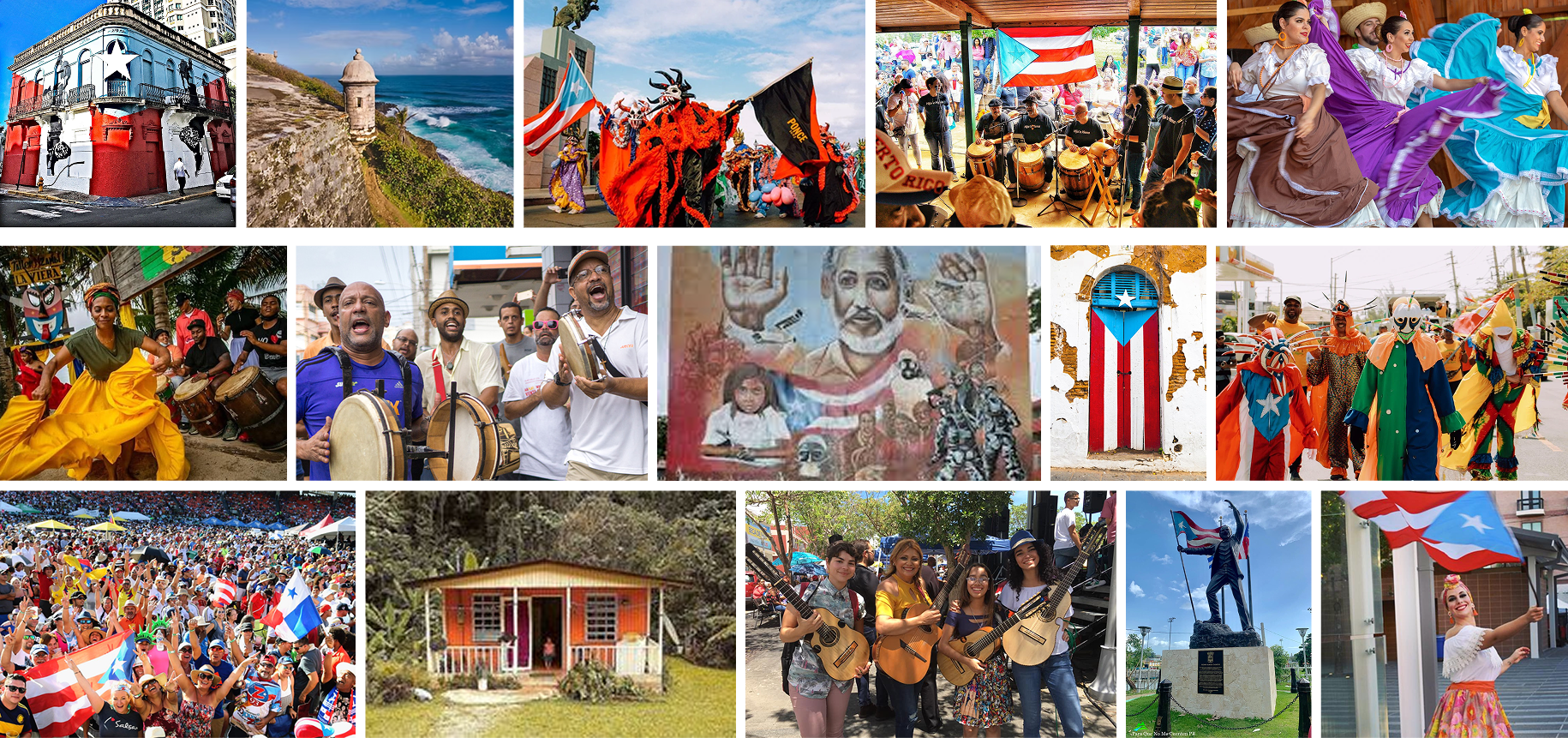
I wanted to draw a direct parallel between Puerto Rico and Chicago by highlighting images from the island itself alongside moments from Humboldt Park. In both places, you see the same cultural spirit reflected through dancing, murals, music, and the Puerto Rican flag. For me, these elements show how the essence of Puerto Rico continues to live and evolve within the diaspora community in Chicago. Together, these images tell a story of connection, identity, and the ways we carry the island with us no matter where we are.
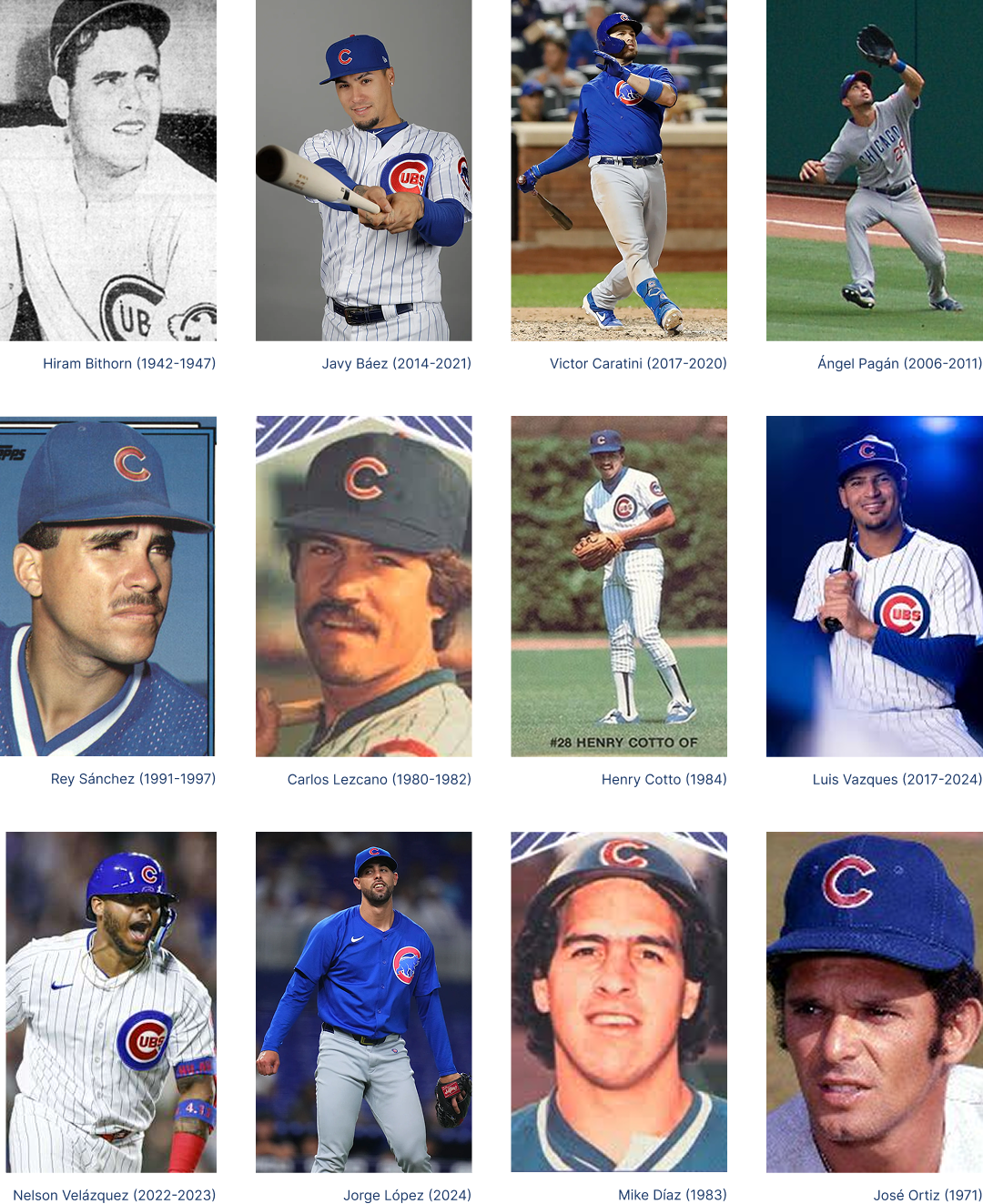
Scouting Report
While researching Chicago Cubs, I spent time studying the history and legacy of Puerto Rican players within the organization to better understand their cultural impact on both the team and its fanbase. From pioneers like Hiram Bithorn (1942–1947), the first Puerto Rican player in Major League Baseball, to modern fan favorites such as Javier Báez (2014–2021), Victor Caratini (2017–2020), and Ángel Pagán (2006–2011), I wanted to understand how Puerto Rican identity has continuously been part of the Cubs’ story across generations.
In parallel, I analyzed the visual evolution of the Cubs organization itself — studying historic logos, typography, uniform details, patches, color systems, and the balance between classic baseball aesthetics and modern branding.
This research became an important foundation for the final design, allowing me to create something that felt authentic to both Puerto Rican culture and the long-standing traditions of the Cubs. My goal was not simply to combine two visual identities, but to create a piece that respectfully celebrates the relationship between Puerto Rico, Chicago, and the generations of fans and players who connect both communities.
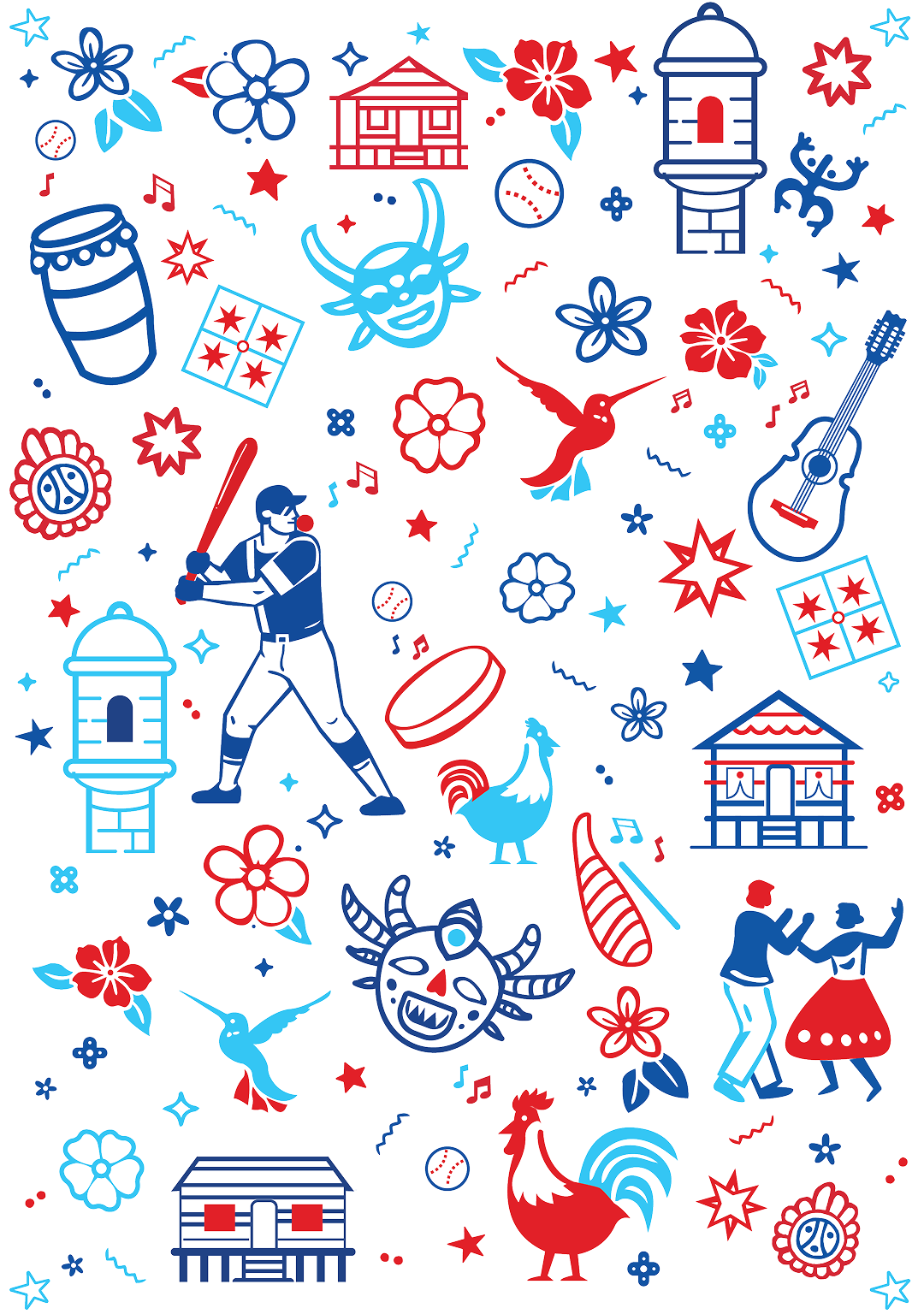
The Home Run Pattern
In crafting the “Home Run Pattern,” my goal was to let Puerto Rican heritage take t he spot light, weaving it naturally into the fabric of the jersey. Each element of the pattern draws directly from the island’s cultural legacy: like tthe timeless Taino symbols that have been part of Puerto Rican identity for centuries, and motifs inspired by the island’s vibrant festivals and folkloric art.
This pattern is essentially a visual celebration of Puerto Rican culture, designed to echo the warmth, resilience, and spirit of the island. While baseball elements are woven in as subtle nods—like the curves of a baseball seam or the classic lines of a vintage uniform. The heart of the design remains firmly rooted in Puerto Rican tradition.
Ultimately, this pattern is more than decoration; it’s a homage to the island’s heritage, inviting everyone who wears or sees it to feel t hat deep cultural pride. It’s a way of bringing a piece of Puerto Rico onto t he field and into the heart of the game.
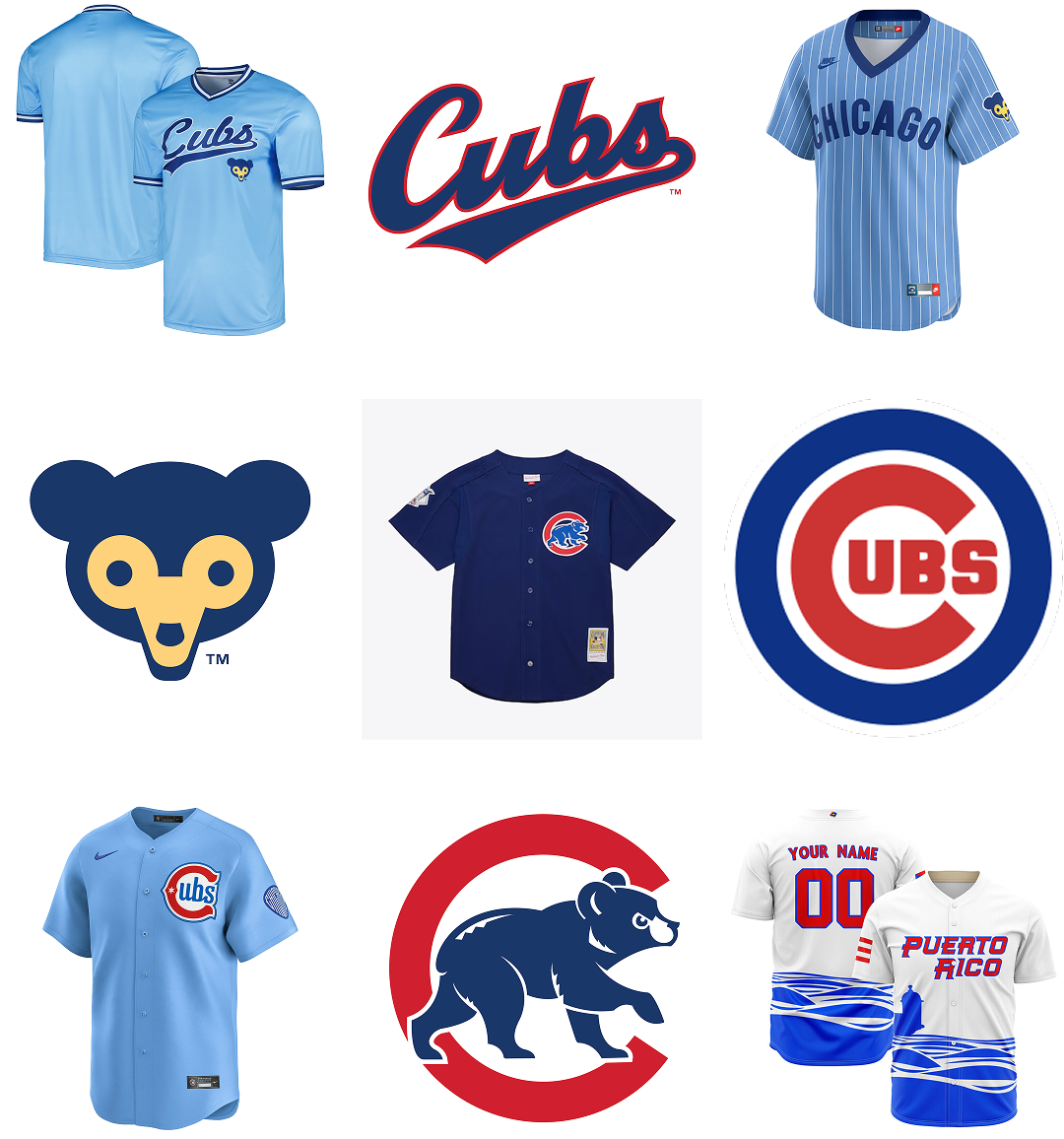
From Cubbie Blue to Boricua Hues
I aimed to highlight t he meaningful connection between Puerto Rico and t he Cubs brand by thoughtfully weaving together both historical and contemporary Cubs visual elements. By studying how the team’s identity has evolved over time, I was able to identify design cues that could naturally carry Puerto Rican cultural expression without disrupting the integrity of the brand.
In parallel, I also looked to Puerto Rico’s presence in the World Baseball Classic as a source of inspiration. Drawing from how national pride, cultural symbolism, and modern baseball aesthetics come together on an international stage. This helped ensure the design maintained a strong, authentic connection to Puerto Rican baseball culture.
This approach ensured that Puerto Rican culture is represented clearly and respectfully, not as an overlay but as an integrated part of the design, while remaining true to the Cubs’ visual legacy and timeless identity. The result is a jersey that feels authentic to both communities and honors the history behind each.
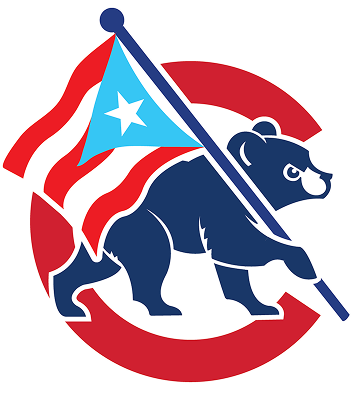
Flying the Boricua Colors
I reimagined the Cubs’ iconic bear and “W” flag symbol by incorporating the original sky blue of the Puerto Rican flag. This color not only honors Puerto Rico’s historical flag but also nods to the lighter blues seen in vintage Cubs jerseys and the Chicago city flag.
The result is a design that blends both heritages, making the victor y symbol feel authentic to both the Cubs’ legacy and Puerto Rican pride.
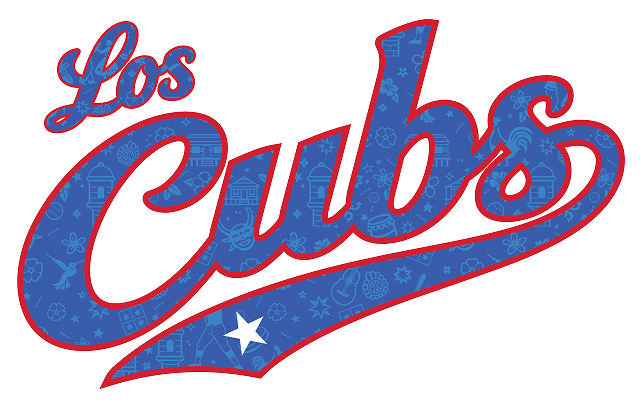
Los Cubs
“Los Cubs” design, not only embraces the Spanglish often used by Puerto Ricans but also stands as the main chest piece of t he jersey. I’ ve reimagined the vintage 1970s-80s Cubs logo in my own handcrafted script, giving it personal touch.
A star in the swoosh nods to the Puerto Rican flag, and I’ve overlaid the previously discussed pattern to unify the design. Altogether, these elements blend tradition, language, and cultural symbolism into the jersey’s centerpiece.

El “Jíbaro” Bear
I re-imagined t he 1960’s Chicago bear wearing a traditional Puerto Rican pava, symbolizing the jíbaro: the island’s iconic countryman figure known for representing Puerto Rico’s rural heritage and humble roots.
By blending this cultural element with a beloved Chicago sports symbol, this design celebrates Puerto Rican heritage and adds a touch of island spirit to a classic Cubs icon.
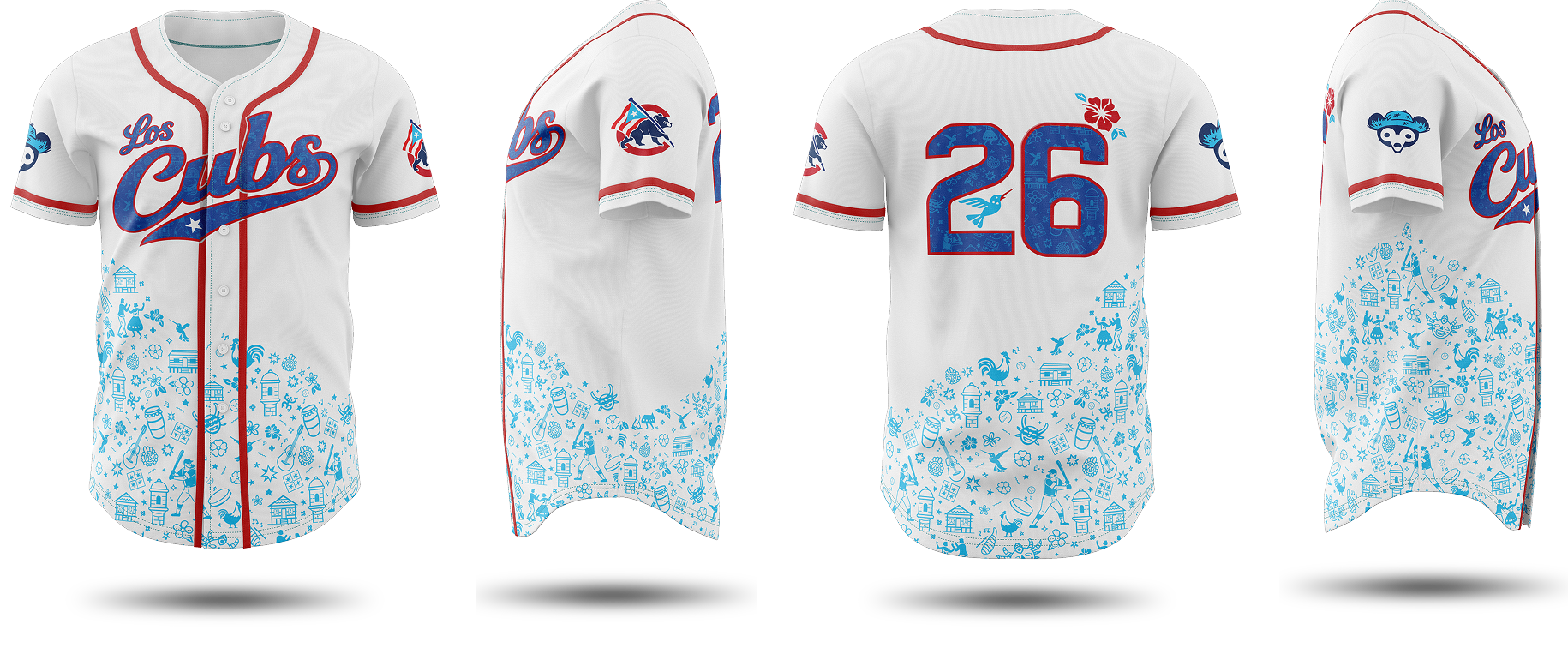
“Los Cubs” Jersey design for the Chicago Cubs Puerto Rican Heritage Night 2026.
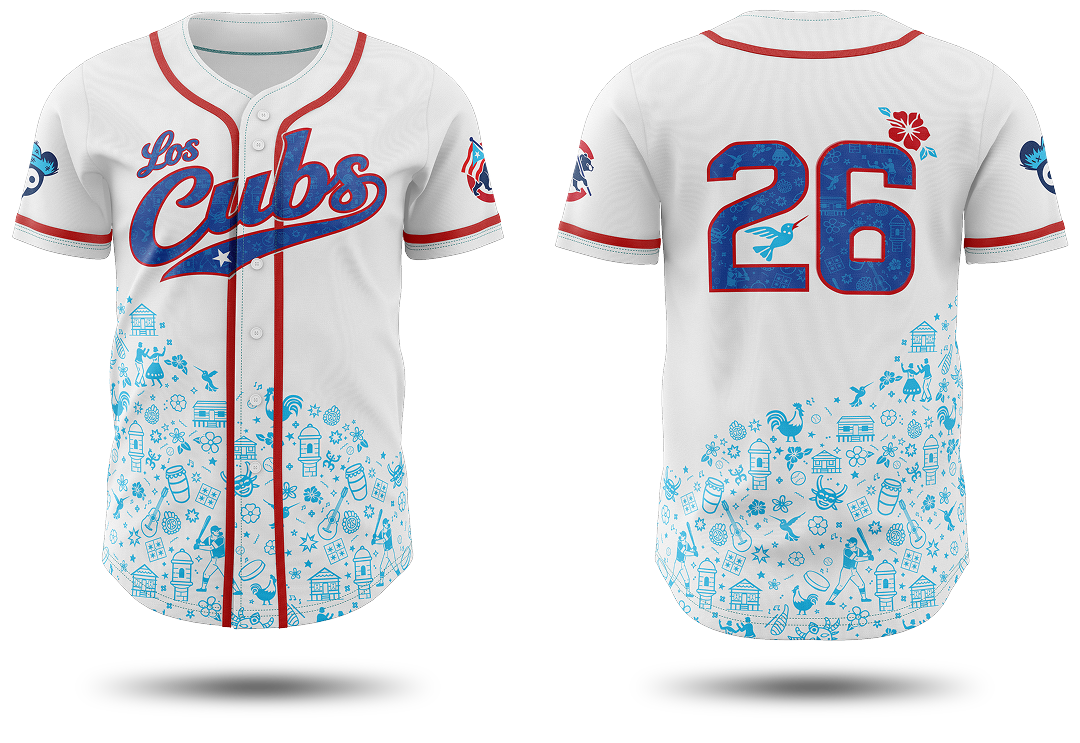
“Los Cubs” PR Heritage Jersey
This jersey is a vibrant blend of Puerto Rican culture and the Cubs’ iconic visuals. Front and center on t he chest, the “Los Cubs” lettering ser ves as t he main focal point, embracing the Spanglish that represents Puerto Rican linguistic flair. The jersey ’s pattern flows in an asymmetrical wave, inspired by the Puerto Rico World Baseball Classic uniforms, adding dynamic movement without over whelming the eye.
On the left sleeve, the “Fly the Boricua Colors” element features the Puerto Rican flag’s original sky blue, while the right sleeve showcases the Jíbaro Bear, a reimagined Chicago bear logo wearing a traditional Puerto Rican pava hat. This nod to the island’s rural heritage ties together both cultures.
On the back, the number 26 is adorned with the same pattern, and a hummingbird flies toward Puerto Rico’s national flower, symbolizing hope and a for ward-looking spirit. Together, t hese elements create a jersey that ’s both visually compelling and rich with cultural meaning.
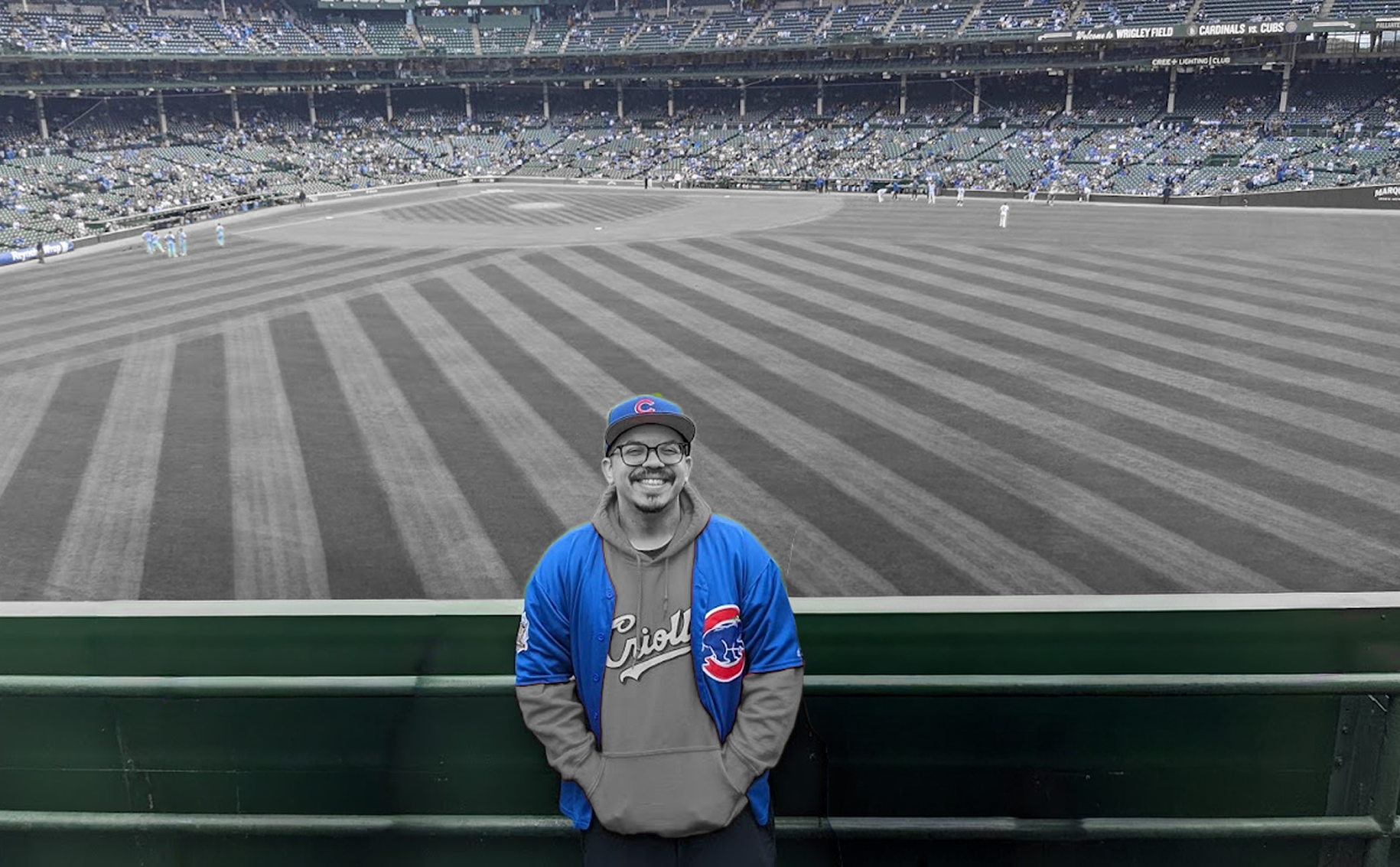
For me, as a Puerto Rican who—like so many others—moved to the States chasing a dream, this project is deeply meaningful. Just as Puerto Rican players have left t he island to play in t he major leagues, I too left home to pursue my own big-league dream in design. This is a full-circle moment where my passion for my profession and my love for the Cubs have come together.
As Moneyball so perfect y puts it, “How can you not be romantic about baseball?” For me, that romance lives in t he stories, the community, and t he shared dreams that bring us together.